-3.png?width=250&height=33&name=Untitled%20design%20(18)-3.png "Cloudficident Logo")
-3.png?width=527&height=69&name=Untitled%20design%20(18)-3.png "Untitled design (18)-3")
.png?width=200&height=26&name=Untitled%20design%20(18).png "Cloudficient")
.png?width=600&height=79&name=Untitled%20design%20(18).png "cloudficient logo")
SEC 17a-4 Compliance: Where Financial Firms Get Stuck
Discover the common pitfalls financial firms face under SEC 17a-4 compliance and how to navigate them effectively.
SEC Rule 17a-4 data migration differs from typical data migration because regulated records must meet strict ...
SEC Rule 17a-4 data migration differs from typical data migration because regulated records must meet strict requirements for integrity, accessibility, and long-term preservation throughout the process.
Mergers, acquisitions, and large-scale cloud migrations often require organizations to move large amounts of historical data from legacy systems to modern platforms. For many industries, this is mostly a technical challenge. However, for financial institutions and other regulated organizations, the process is far more complex.
SEC Rule 17a-4 defines strict requirements for how broker-dealers and other regulated entities must preserve electronic records and communications. These requirements cover how records are stored, how long they must be retained, and how easily regulators must be able to retrieve them.
When organizations migrate regulated data during events such as mergers and acquisitions (M&A), cloud transformations, or legacy archive retirement, every step of the migration must maintain regulatory compliance. If the process breaks key compliance requirements, the organization may face audit failures, regulatory penalties, or legal risk.
This is why migrating SEC-compliant data is fundamentally different from a typical data migration project. The process must preserve record integrity, ensure accessibility, maintain retention policies, and protect metadata and audit trails throughout the entire transition.
Regulated data migration is different from normal migration projects because SEC Rule 17a-4 requires financial firms to preserve records in ways that guarantee their integrity, accessibility, and long-term preservation.
When organizations migrate ordinary business data, the main goal is usually modernization or cost reduction. However, migrating SEC Rule 17a-4 regulated data introduces an entirely different level of responsibility.
Common examples of regulated records include:
Because of these regulatory obligations, organizations cannot simply copy files from one system to another. The migration must ensure that all compliance requirements attached to the records remain intact in the new environment.
For example, records must remain accessible for regulatory examination, stored in the correct format, and preserved without alteration. If any of these elements are compromised during migration, the firm may lose its ability to demonstrate compliance.
This makes regulated data migration a governance and compliance exercise, not just a technical project.
Organizations maintain WORM continuity during migration by ensuring that records remain non-erasable and non-rewritable throughout the entire migration process.
A central requirement of SEC Rule 17a-4 compliance is the use of WORM storage. WORM stands for "Write Once, Read Many," meaning that once a record is written to storage, it cannot be altered or deleted during its required retention period. This capability ensures the immutability of financial records. In practical terms, it guarantees that records cannot be tampered with after they are created.
During migration, maintaining this immutability becomes a major challenge. Moving data between systems often requires extraction, transformation, and ingestion steps. If these processes are not carefully controlled, they could temporarily break the WORM protections that regulators require. Organizations must therefore design migration workflows that preserve the non-erasable and non-rewritable nature of the records throughout the entire process.
Any interruption to WORM protection could introduce a compliance gap and weaken the defensibility of the records during regulatory audits.
Ensuring WORM continuity is not just a technical safeguard. It is a fundamental requirement for maintaining the regulatory integrity of financial records.
Metadata and audit trails must be preserved during migration because they provide the evidence needed to prove how records were created, stored, and accessed over time.
In SEC-regulated environments, the records themselves are only part of the compliance story. Metadata and audit trails are equally important.
Metadata is the contextual information associated with records, such as timestamps, custodians, communication sources, and system details. This information provides critical evidence about when a record was created, who owned it, and how it moved through different systems.
Alongside metadata, organizations must also preserve audit trails. These audit trails capture the full activity history of a record, including:
During migration, both metadata and audit trail information must be transferred accurately to the new system.
If this contextual information is lost, altered, or incomplete, organizations may lose the ability to demonstrate how records were handled. Even if the records themselves remain intact, missing metadata can undermine their legal credibility.
Maintaining the full chain of custody is essential for proving regulatory compliance.
Retention clocks must continue running during migration because SEC Rule 17a-4 requires financial records to be preserved for specific time periods without interruption.
Another key requirement of SEC Rule 17a-4 is that financial records must be retained for specific periods of time.
Different types of communications and records may need to be preserved for multiple years depending on regulatory requirements. During data migration, these retention timelines, often referred to as "retention clocks," must remain uninterrupted. The migration process must not reset, shorten, or extend the mandated retention periods. If retention metadata is lost during migration, organizations risk accidentally deleting records before their regulatory retention window expires. This could represent a direct compliance violation.
To prevent this risk, migration processes must preserve the original retention policies and metadata attached to each record. The destination platform must then continue enforcing those retention policies without interruption.
Maintaining these retention timelines ensures that historical records remain available whenever regulators request them.
Security and privacy risks appear during regulated data migration because sensitive financial records often move through multiple systems and processing stages before reaching their final destination.
Migrating regulated financial records introduces additional security and privacy risks that organizations must carefully manage.
SEC-regulated data often contains sensitive financial communications, internal business records, and confidential information.
During migration, data typically moves through multiple stages, including extraction from the source system, transformation processes, temporary staging environments, and final ingestion into the target platform.
Each of these stages creates potential exposure points where unauthorized access, data leakage, or accidental disclosure could occur.
Common security risks during regulated data migration include:
Because regulated records must remain secure and confidential throughout their lifecycle, organizations must implement strong protections during migration.
Ensuring that sensitive records remain protected throughout the entire transition is essential for both regulatory compliance and operational security.
Failure to protect these records can lead to regulatory scrutiny, reputational damage, and operational disruption.
Downtime and access issues can affect compliance during migration because SEC Rule 17a-4 requires regulated records to remain readily accessible for regulatory examination.
SEC Rule 17a-4 requires that regulated records remain readily accessible for regulatory examination. This requirement creates an additional challenge during large-scale data migrations.
If migration activities cause records to become temporarily unavailable, difficult to retrieve, or slow to access, organizations may struggle to respond quickly to regulatory inquiries. For example, if regulators request historical records during a migration window and the organization cannot retrieve them efficiently, it could appear that the firm does not meet accessibility requirements.
For this reason, migration strategies must minimize downtime and ensure that records remain accessible throughout the transition.
Maintaining continuous access protects both regulatory compliance and day-to-day business operations.
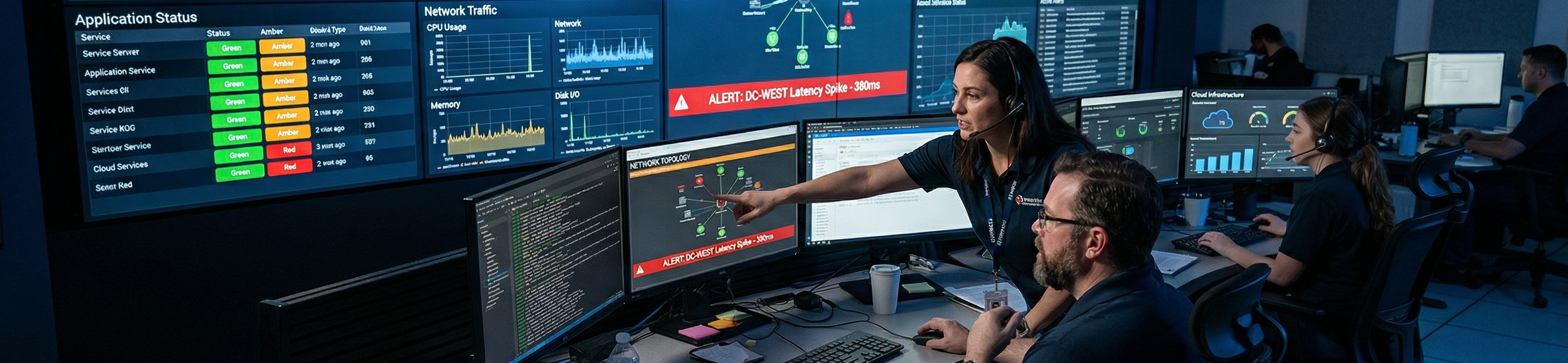
Organizations validate compliance after migration by verifying that records, metadata, retention policies, and storage protections remain intact in the new platform.
Completing the migration process does not automatically guarantee compliance.
After regulated records are transferred to a new platform, organizations must verify that the data still satisfies SEC Rule 17a-4 requirements.
This validation process typically includes integrity checks, audits, and verification procedures designed to confirm that every record was successfully migrated. Key validation steps often include:
Organizations must also ensure that the migrated records remain accessible, properly indexed, and stored according to regulatory requirements.
Without these validation steps, organizations cannot confidently demonstrate that the migration preserved compliance.
In regulated industries, defensibility matters. Firms must be able to prove, and not just assume, that their records remain compliant after migration.
We approach the migration of regulated data at Cloudficient by combining large-scale archive migration experience with technology designed specifically to preserve compliance requirements during data movement.
Because migrating regulated financial records is both technically complex and compliance sensitive, we believe organizations need a migration approach specifically designed for regulatory environments.
We have a long history of moving regulated data from legacy archives into modern platforms. Our migration technologies have helped organizations migrate archives across hundreds of environments and move petabytes of historical communication and record data.
From this experience, we developed a third-generation migration platform designed to onboard large volumes of regulated data quickly while preserving the critical elements required for compliance, including record integrity, metadata, retention policies, and accessibility.
Our approach focuses on accelerating the onboarding of legacy archive data while maintaining the safeguards required by regulations such as SEC Rule 17a4. By preserving the structure and context of records during migration, we help organizations maintain defensibility and regulatory alignment throughout the transition.
For organizations navigating mergers and acquisitions, cloud transformations, or legacy archive retirements, our migration approach is designed to support modernization while helping teams retain control over regulated datasets and reduce the operational risk typically associated with large-scale archive migrations.
Organizations should remember that SEC 17a-4 migrations require careful planning to maintain record integrity, accessibility, immutability, and retention throughout the entire transition.
Data migration is rarely simple, but when regulated financial records are involved, the stakes become significantly higher.
SEC Rule 17a-4 imposes strict requirements around record preservation, accessibility, immutability, and retention that must remain intact throughout the entire migration process.
Organizations navigating mergers, acquisitions, cloud transformations, or legacy archive retirements must treat regulated data migration as both a technical and compliance-driven challenge.
Maintaining WORM protections, preserving metadata and audit trails, protecting retention timelines, and ensuring continuous accessibility are all essential elements of a defensible migration strategy.
By approaching migration with a compliance-first mindset and using technologies designed for regulated environments, organizations can modernize their data infrastructure while maintaining regulatory integrity.
What types of data are typically subject to SEC Rule 17a-4 requirements?
SEC Rule 17a-4 generally applies to electronic records and communications created by broker-dealers, including trading communications, email archives, and transaction records. These records must be preserved in formats that prevent alteration and allow regulators to retrieve them for examination.
Why is WORM storage required for regulated financial records?
WORM (Write Once, Read Many) storage ensures that once a record is written, it cannot be modified or deleted during its retention period. This guarantees the integrity and immutability of financial records, which regulators rely on during audits and investigations.
What role do audit trails play in regulatory compliance?
Audit trails track every interaction with a record, including access attempts, administrative actions, and system changes. This activity history helps organizations demonstrate how records were handled and provides transparency during regulatory reviews.
Why do organizations migrate regulated data in the first place?
Many organizations migrate regulated data when retiring legacy archive systems, modernizing infrastructure, or moving to cloud environments. Mergers, acquisitions, and technology changes often require relocating large datasets while maintaining regulatory safeguards.
How do modern archive platforms help with regulatory compliance?
Modern compliance archives support features such as immutable storage, retention policy enforcement, search capabilities, and data redundancy across multiple locations. These capabilities help organizations preserve records securely while ensuring they remain accessible for legal or regulatory requests.
Discover the common pitfalls financial firms face under SEC 17a-4 compliance and how to navigate them effectively.
Learn about SEC 17a-4 compliant architectures, focusing on immutability, security, scalability and rapid retrieval to meet regulatory requirements.
Learn why implementing robust information governance is crucial for legal compliance, risk management, cost savings, and competitive advantage in...